 SQ
SQ EN
EN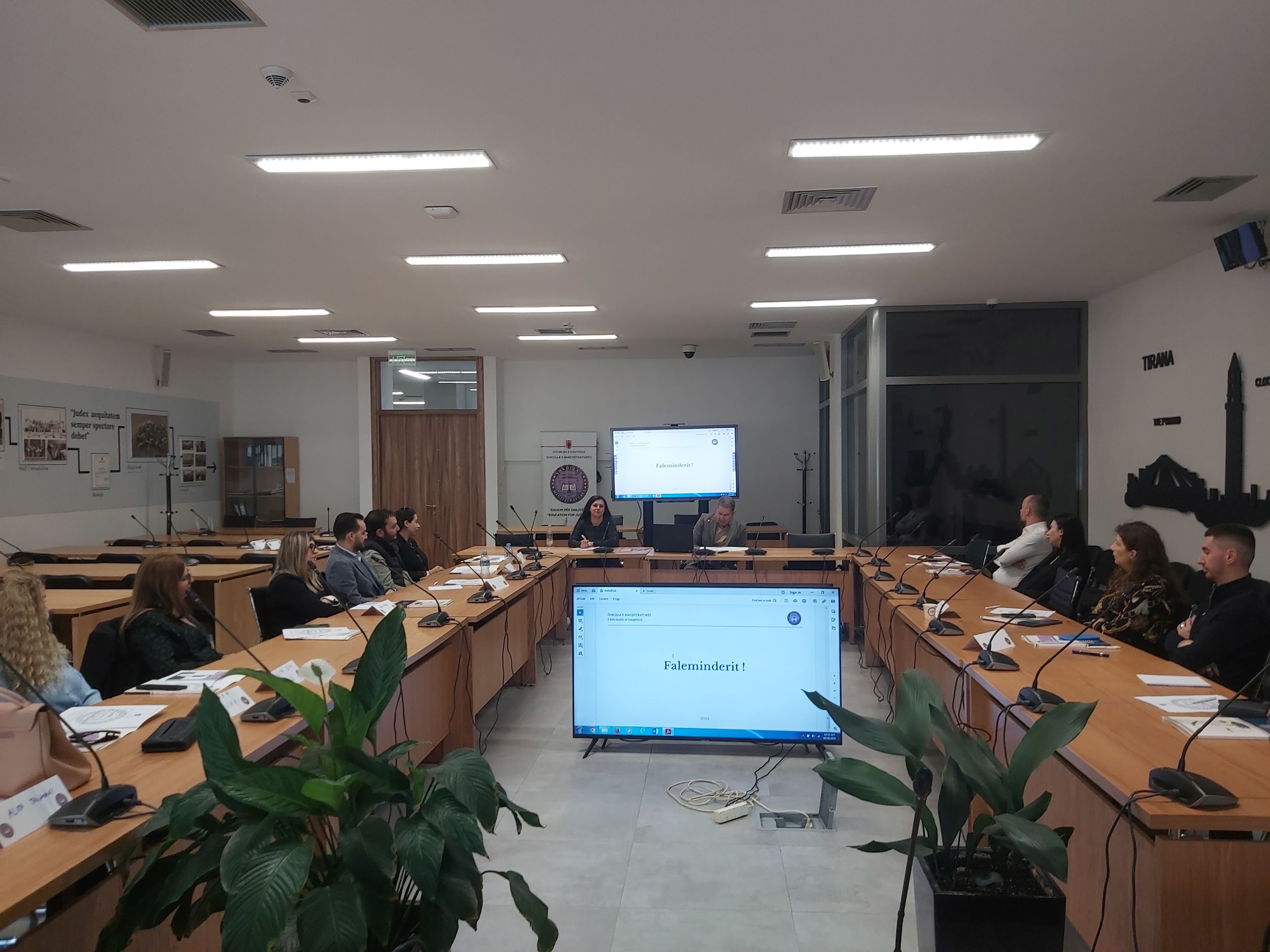
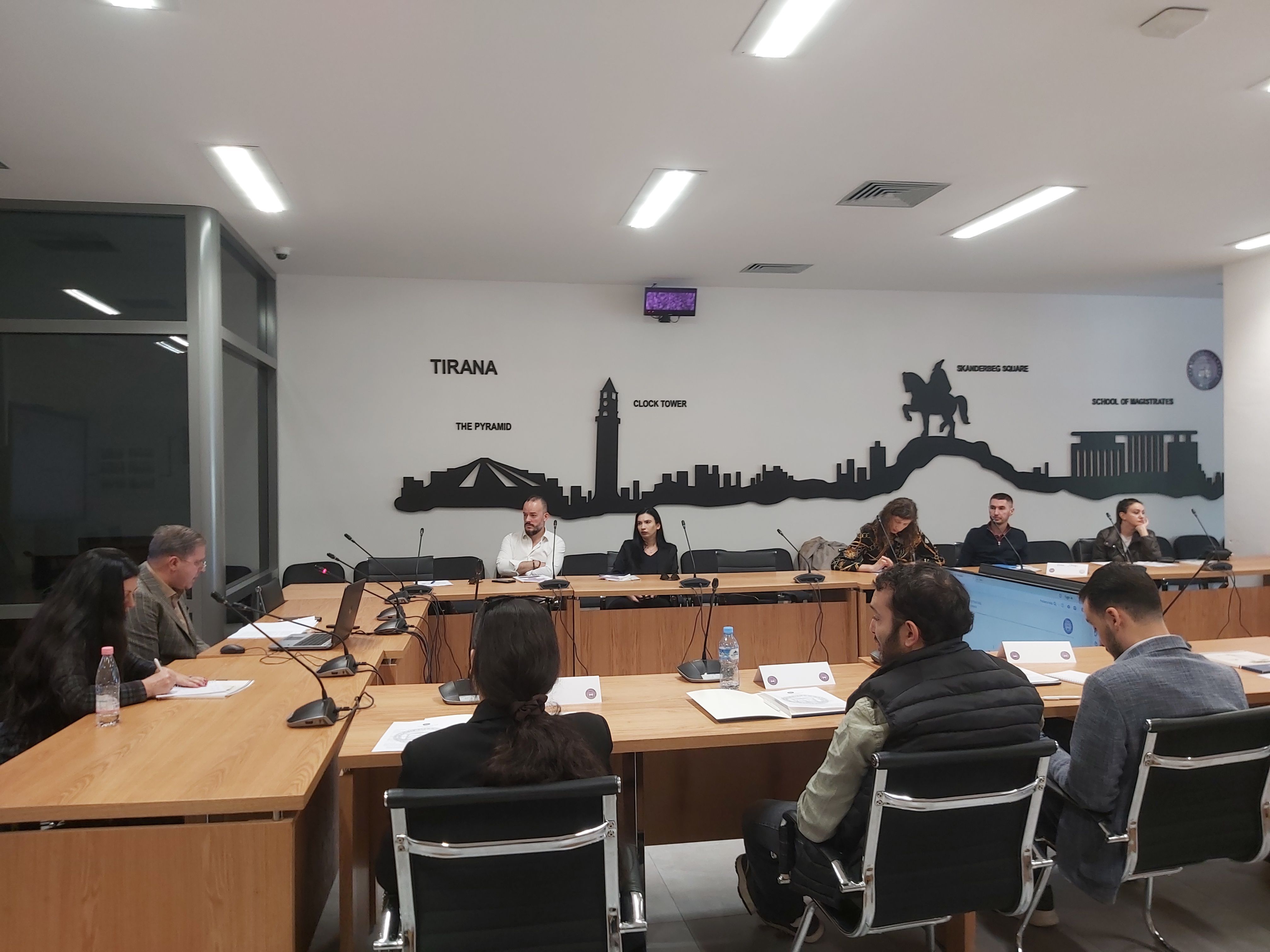
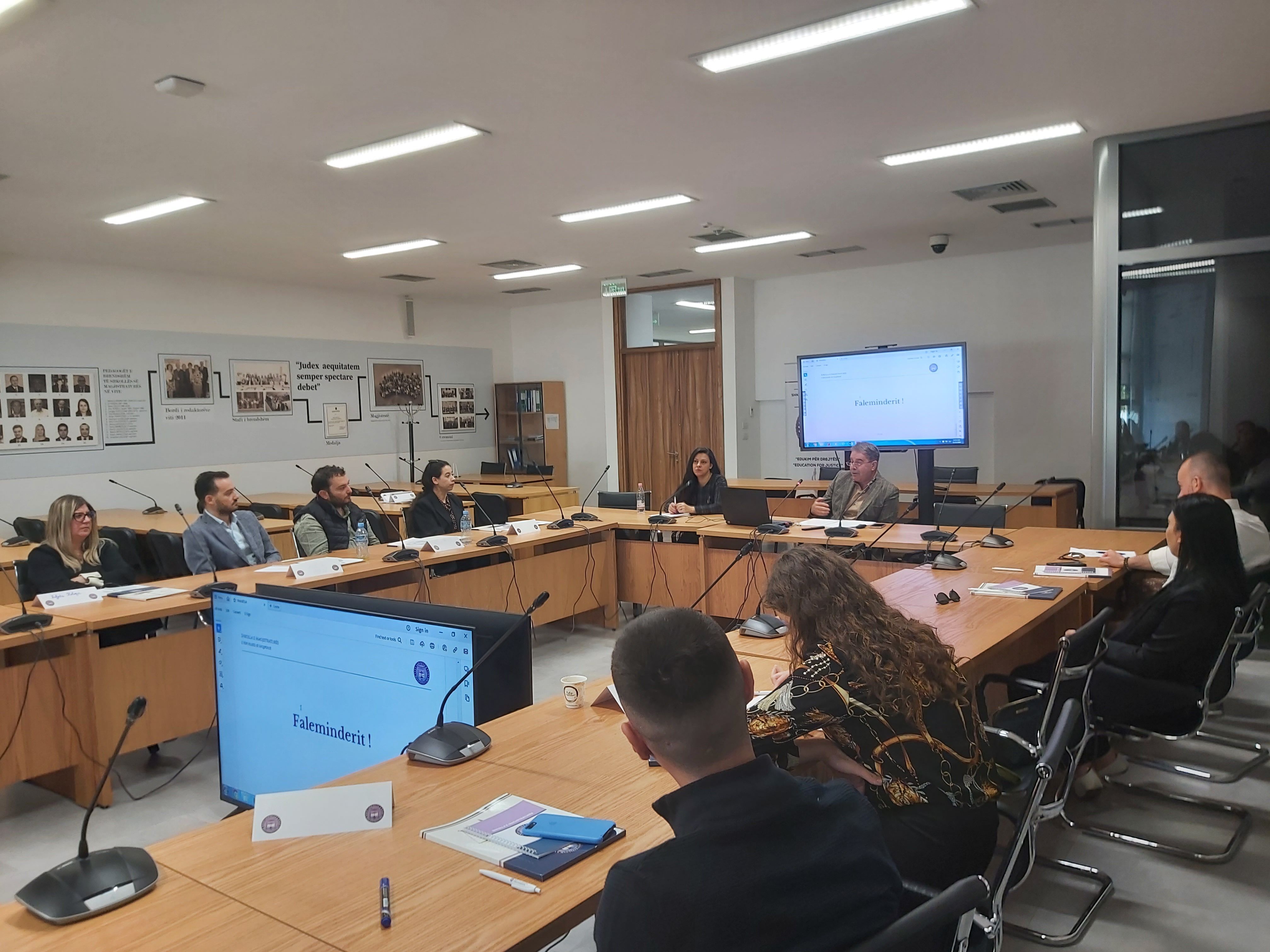
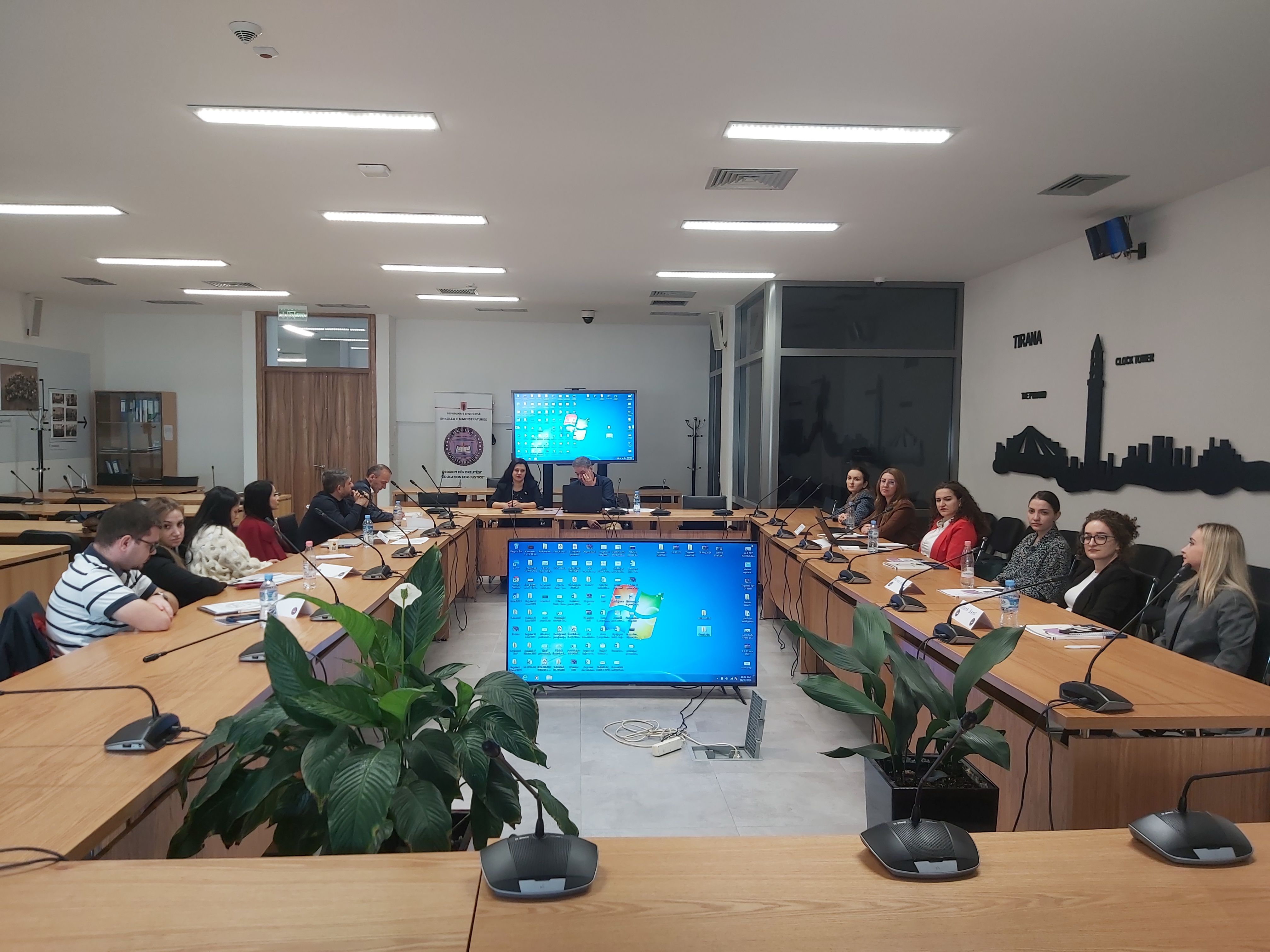
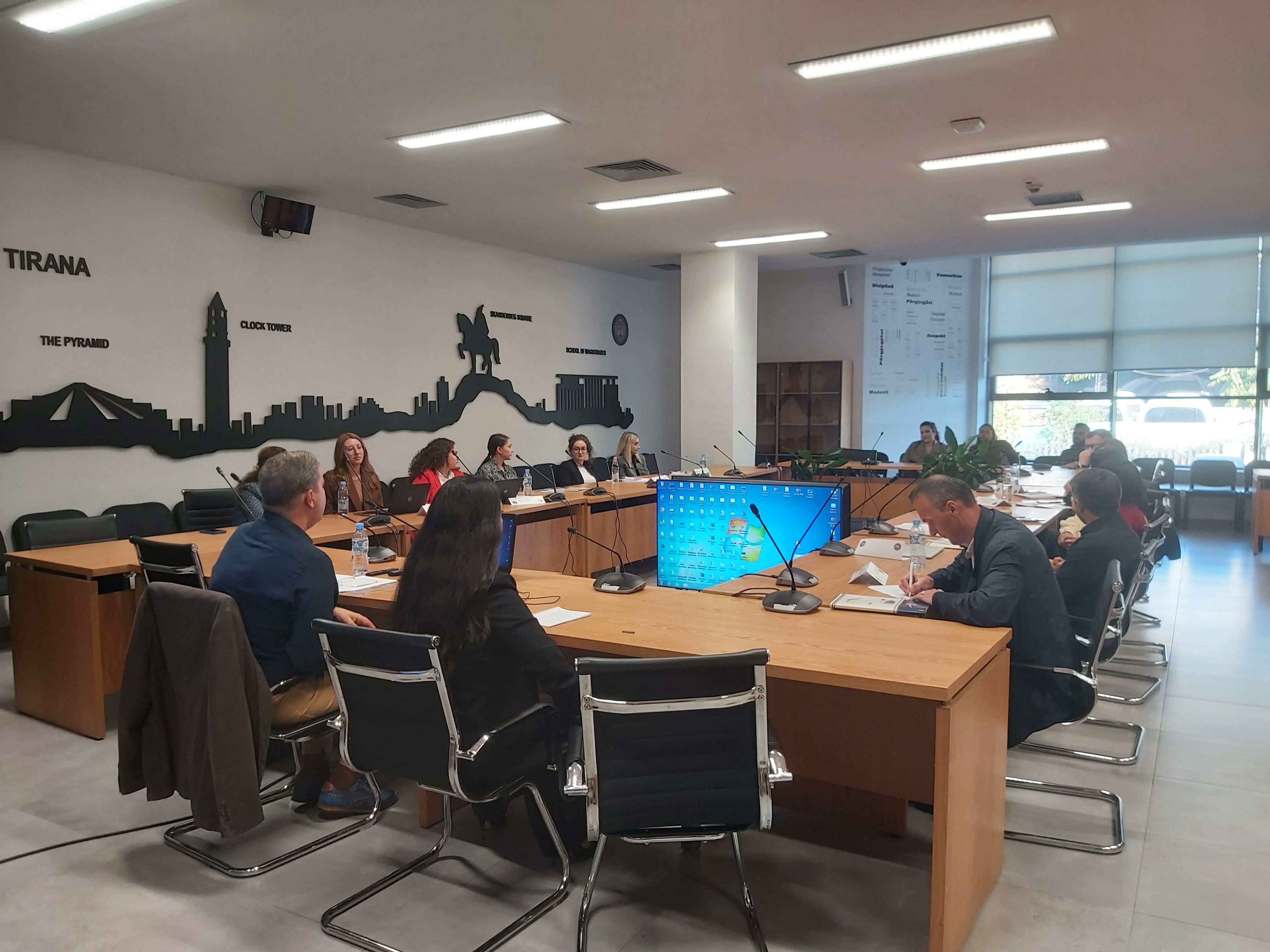
The School of Magistrates, on 29, 31 October and 5 November 2024, organizes the training activity on topic:
“Impartiality: The judge judges impartially, free of every relation, tendency or prejudice that influences on his capacity to judge impartially. Impartiality should be visible during the exercise of the judicial functions of the judge and of other private activities of him. Objective impartiality, subjective impartiality, functional impartiality and personal impartiality.”
The activity was done at the School of Magistrates.
This activity is directed by:
Experts:
Arben Isaraj; Nurjeta Pogaçe
The purpose of this training is:
The recognition and training of the judge, with the rules and national and international standards on impartiality.
In this training activity were elaborated different topics, such as:
- The principle of impartiality. The meaning of impartiality and partiality. Signs of partiality. Types of partiality: a) Objective impartiality; b) Subjective impartiality; c) Functional impartiality; d) Personal impartiality. Independence, impartiality and integrity. Impartiality and conflict of interest. The doctrine of necessity.
- What does it mean the impartiality of the judge? What are the types of judicial impartiality? Is the conflict of interest a “misuse of authority” by the judge? How appears and is considered the conflict of interest to the judge? How is avoided the conflict of interest by the judge? When does the judge resign from the judgment of the case?
- Draft Code of Judicial Conduct of Bangalore, 2001. The Resolution of the Council of Europe on Judicial Ethics, relevantly Article II. Independence.
- Judicial practice illustrated by ECtHR decisions.
In this training activity were invited to take part candidates for magistrate of the third year, judges and prosecutors of the Republic of Albania.