 SQ
SQ EN
EN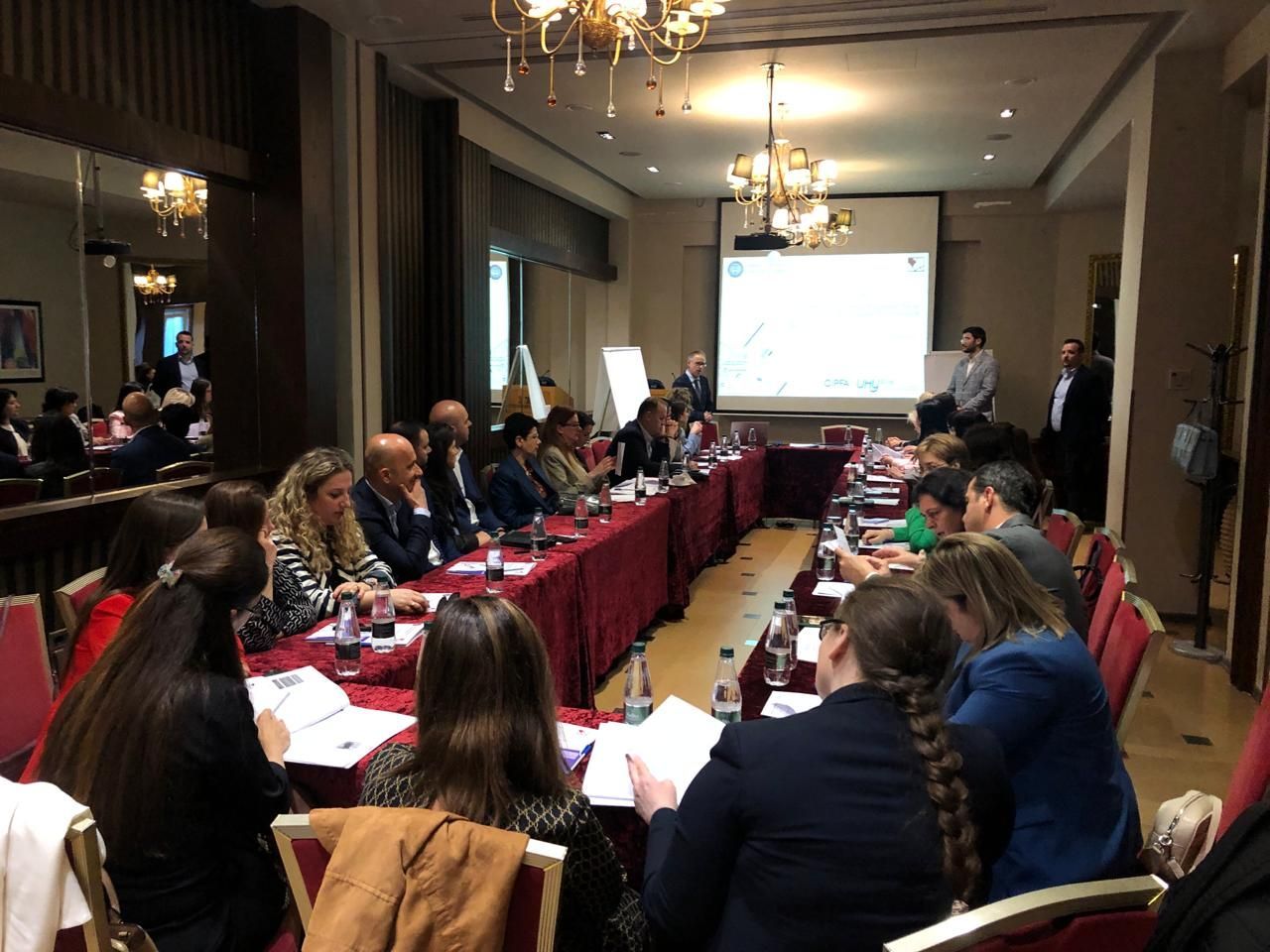
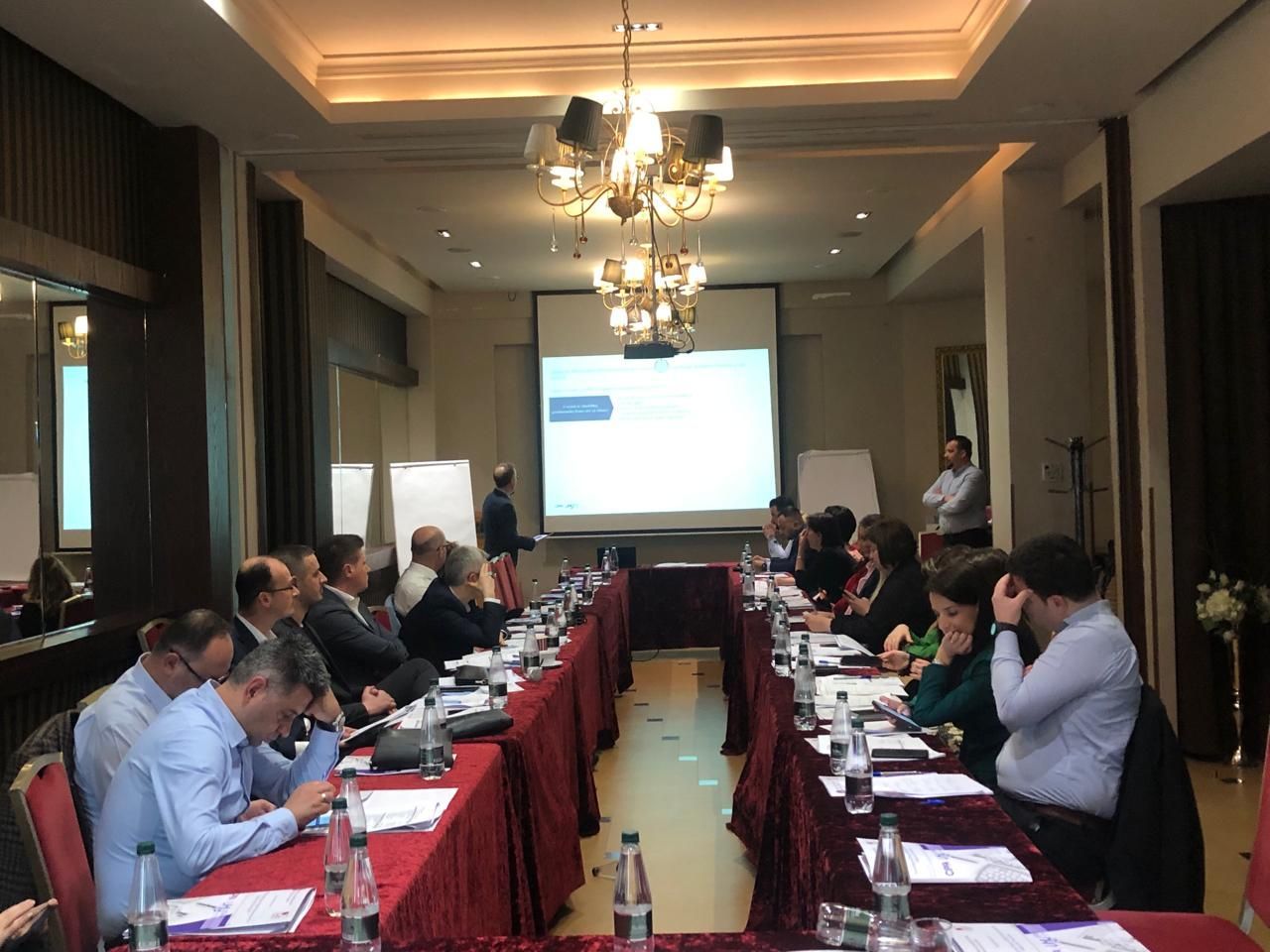
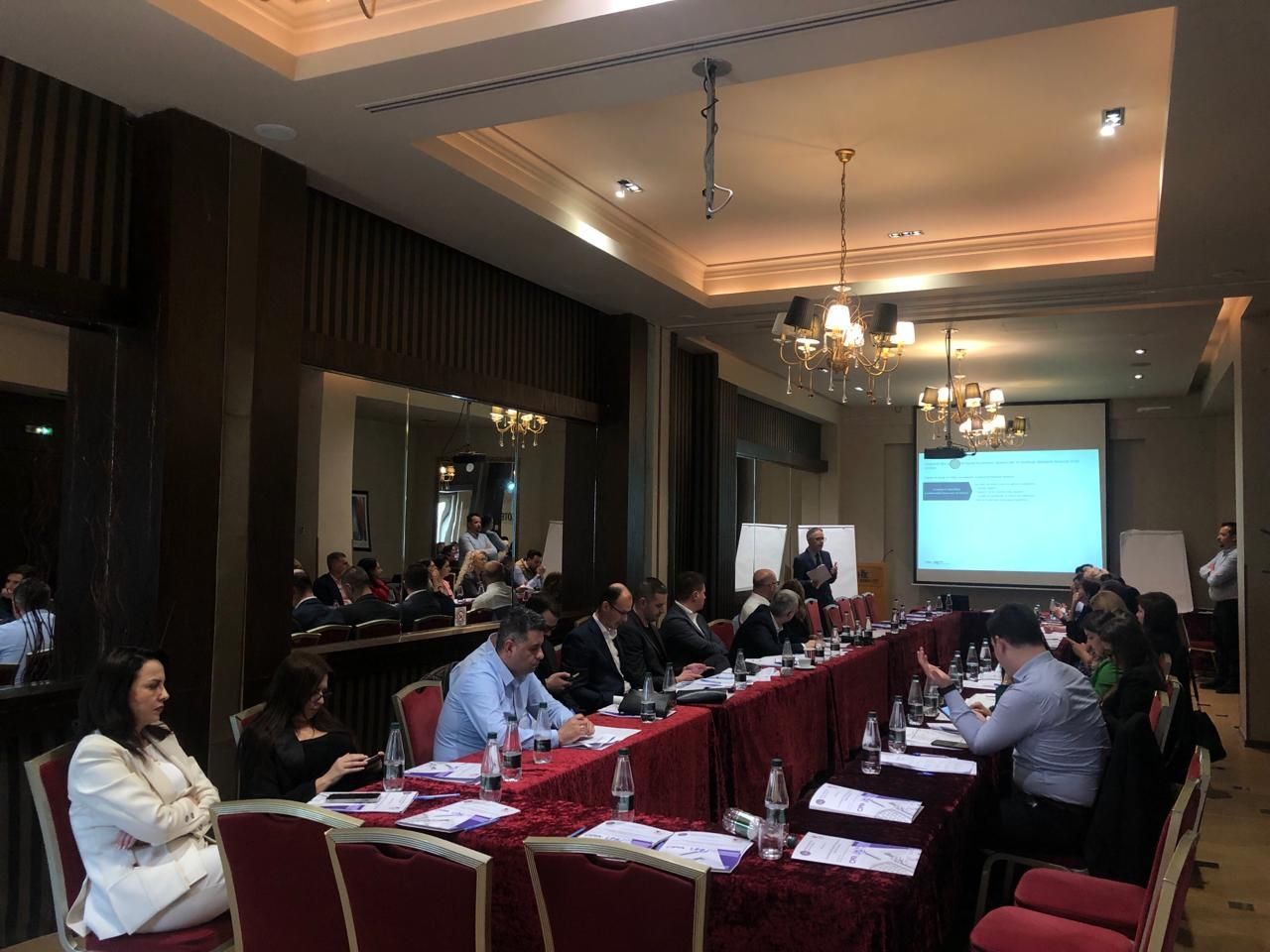
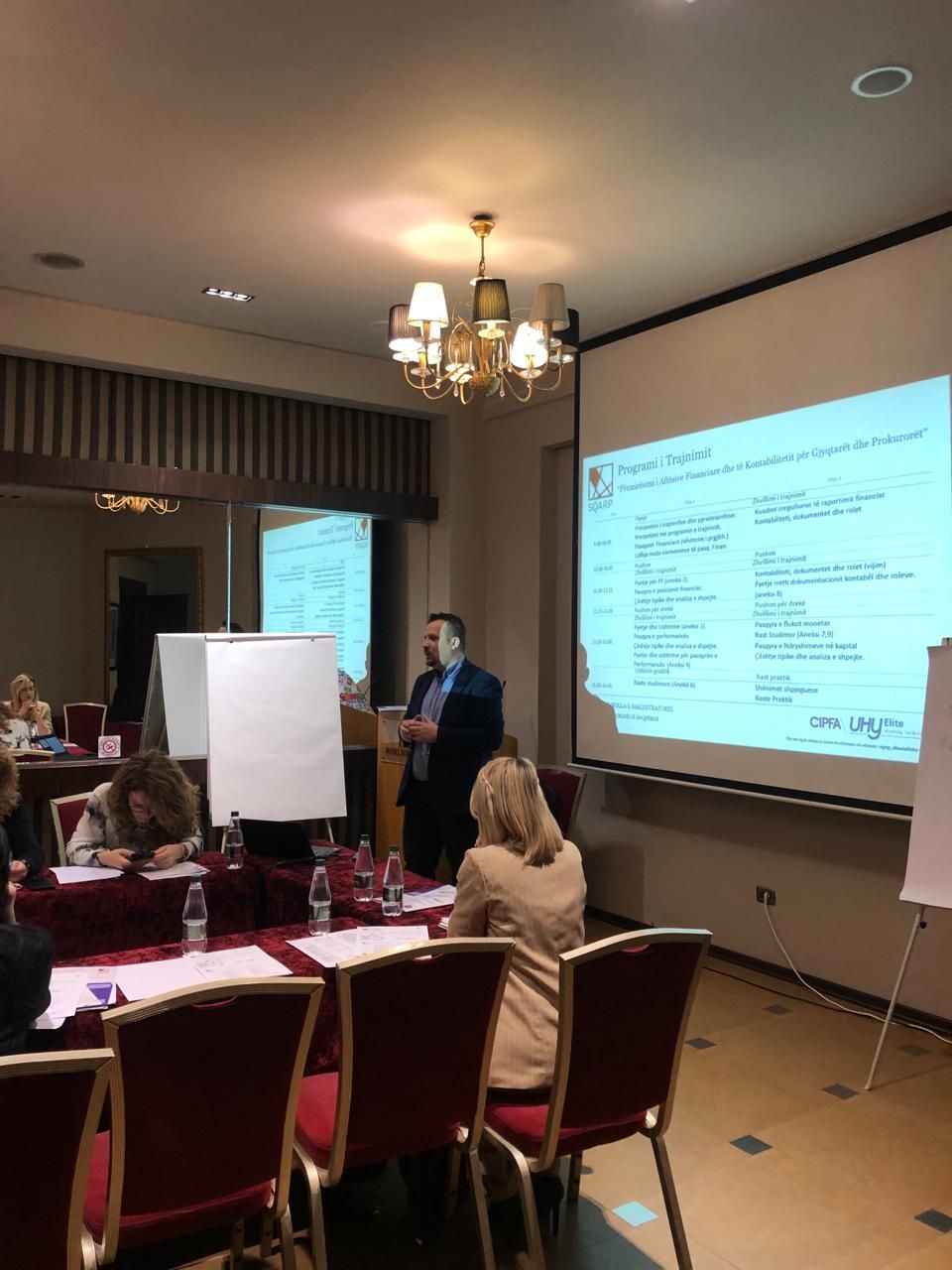
The School of Magistrates, on 8 – 9 April, and on 11 – 12 April, 2024, organized some training activities regarding the financial capacities of magistrates on duty, with the support of the World Bank, with which is implementing the project, “Strengthening quality of auditing and reporting to increase capacities of the system of justice in the direction of financial reporting,” in cooperation with the Institute of Public Finances and Accountability of the United Kingdom.
Training activities were led by the following experts:
- Artan Xhiani, expert;
- Neritan Sota, expert;
- Redvin Marku, expert.
Purposes of the training:
- Interdisciplinary meaning of the financial report. The identification of states where is profitable the cooperation with the accountant expert.
- Consolidation of the understanding of accountability principles and of the financial reporting.
- Familiarization with the framework of financial reporting used in the field of accountability.
- The consolidation of decision – making competences for the proper interpretation of the answers from accounting experts (including the legal context) and the identification of states when lacks a reliable answer.
In activities:
- Participants were familiarized with different types of financial tables, such as the table of the financial position and the table of performance, as well as the relation between their different elements.
- A very important component discussed in training activities was even the interpretation of the financial state of trade associations as well as implications and questions that should do magistrates on duty in relation to problems that presents a reporting set of financial tables.
- At the same time were examined the duties of the accounting expert called by the court/prosecution, questions that should be done to the expert regarding different elements of financial tables, as well as indicators for incorrect financial reporting.
- Important elements that were examined in the two days were also regulatory frameworks of the financial reporting, differences between the financial results and the liquidation capacity as well as the forms of the regulation of business and their relation to the financial report.
In training activities were used combined methods of the presentation with power point, discussions for questions that appear in presentations, including practical analysis accompanied by examples from the practice of work of trade associations, banks and organs of state administration. All this process was accompanied by the greatest interest of participants as the result of the interactive methodology of the training used by experts.
In this training participated judges and prosecutors of the different levels of the domestic judiciary and prosecution.