 SQ
SQ EN
EN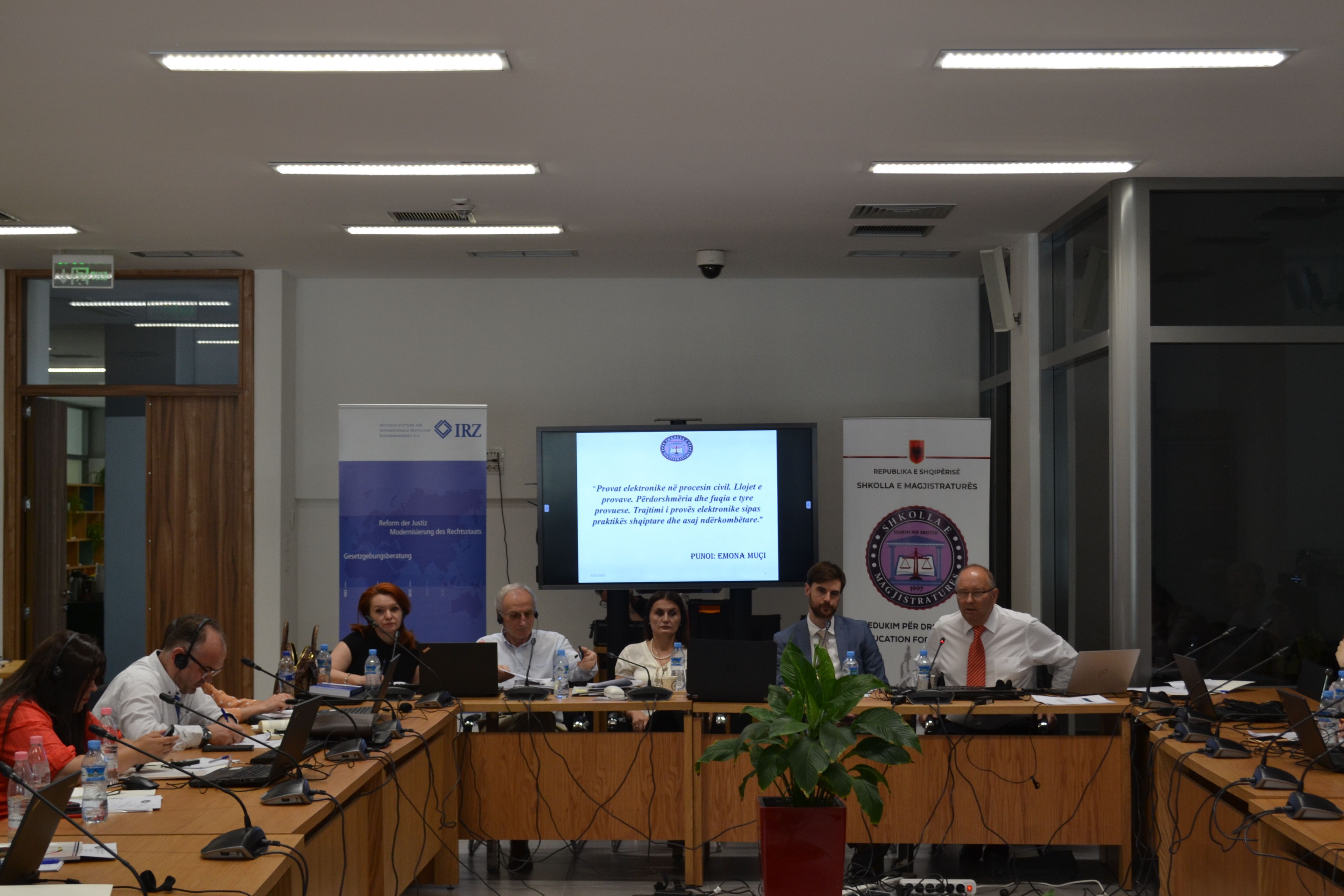
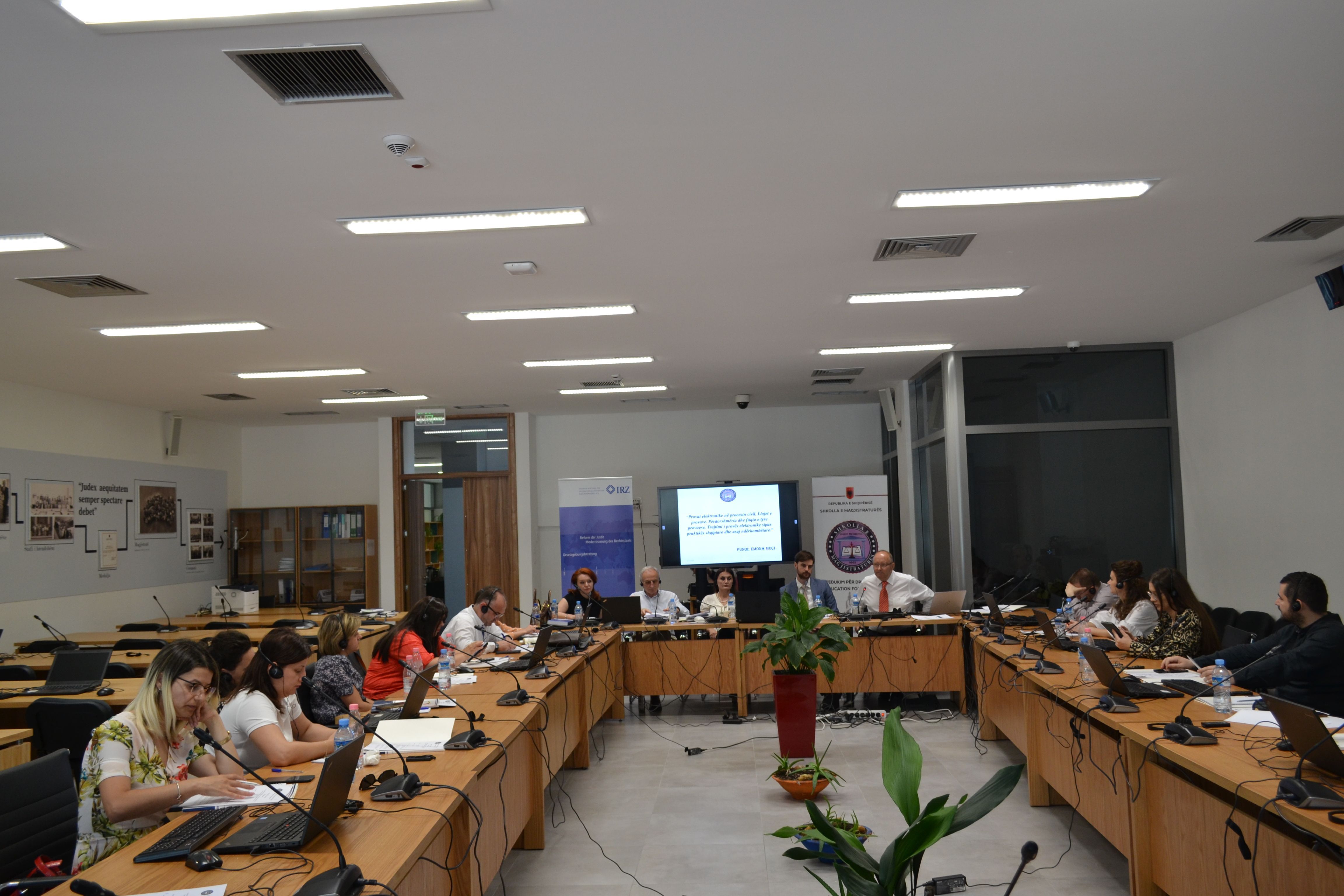
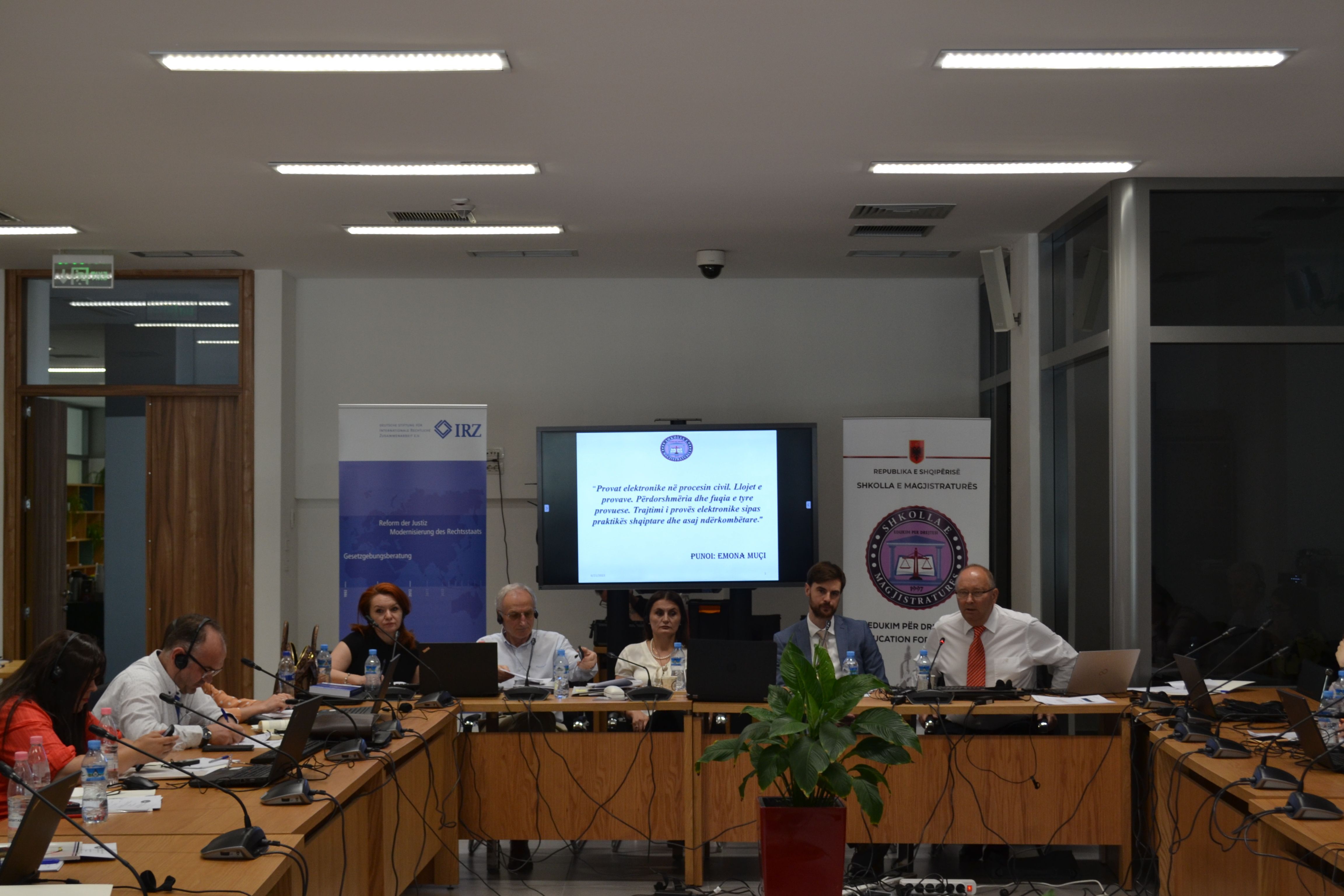
In the context of the Program of Continuous Formation, the School of Magistrates organizes on 21 – 21 June, 2023 in cooperation with IRZ, the training activity on topic:
“Electronic evidences in the civil process. Types of evidences. Their usability and evidencing authority. The elaboration of the electronic evidence under the Albanian and international practice.”
The panel in this training activity is composed of:
- Christian Schmitz-Justen, Vice – Head of the Court of Appeal, Cologne, Germany;
- Dashamir Kore, Lecturer in the School of Magistrates;
- Dr. Flutura Kola, Lecturer in the Law Faculty, at the University of Tirana;
- Emona Muci, Judge in the First Instance Court, Tirana.
The seminar is organized in the context of the increasing importance of electronic instruments of evidence in the Albanian justice, as well as considering the recent changes in the Code of Civil Procedure.
The objects of the seminar are as follows:
- Identification of different electronic instruments of evidence; (as well as)
- The discussion regarding the use and evidencing authority in the civil process.
In the focus of the activity is also:
- A comprehensive and comparative elaboration of the relevant practice in Albania and in Germany regarding the electronic instruments of evidence.
Also, this Albanian – German exchange of knowledge and experience provides the opportunity for the identification of challenges and of the best practices as well as methods of resolution for the daily work of practice of prosecutors and judges.
In this training activity were analyzed different topics, such as:
- The importance of the electronic evidence in the Albanian civil process;
- The method of the presentation of the electronic evidence in the Albanian civil process;
- Electronic documents as instruments of evidence in Germany;
- The consideration of evidences. The expert in the German civil process;
- The consideration of evidences: Witnesses in the German civil process;
- The analysis in the Albanian judicial practice.