 SQ
SQ EN
EN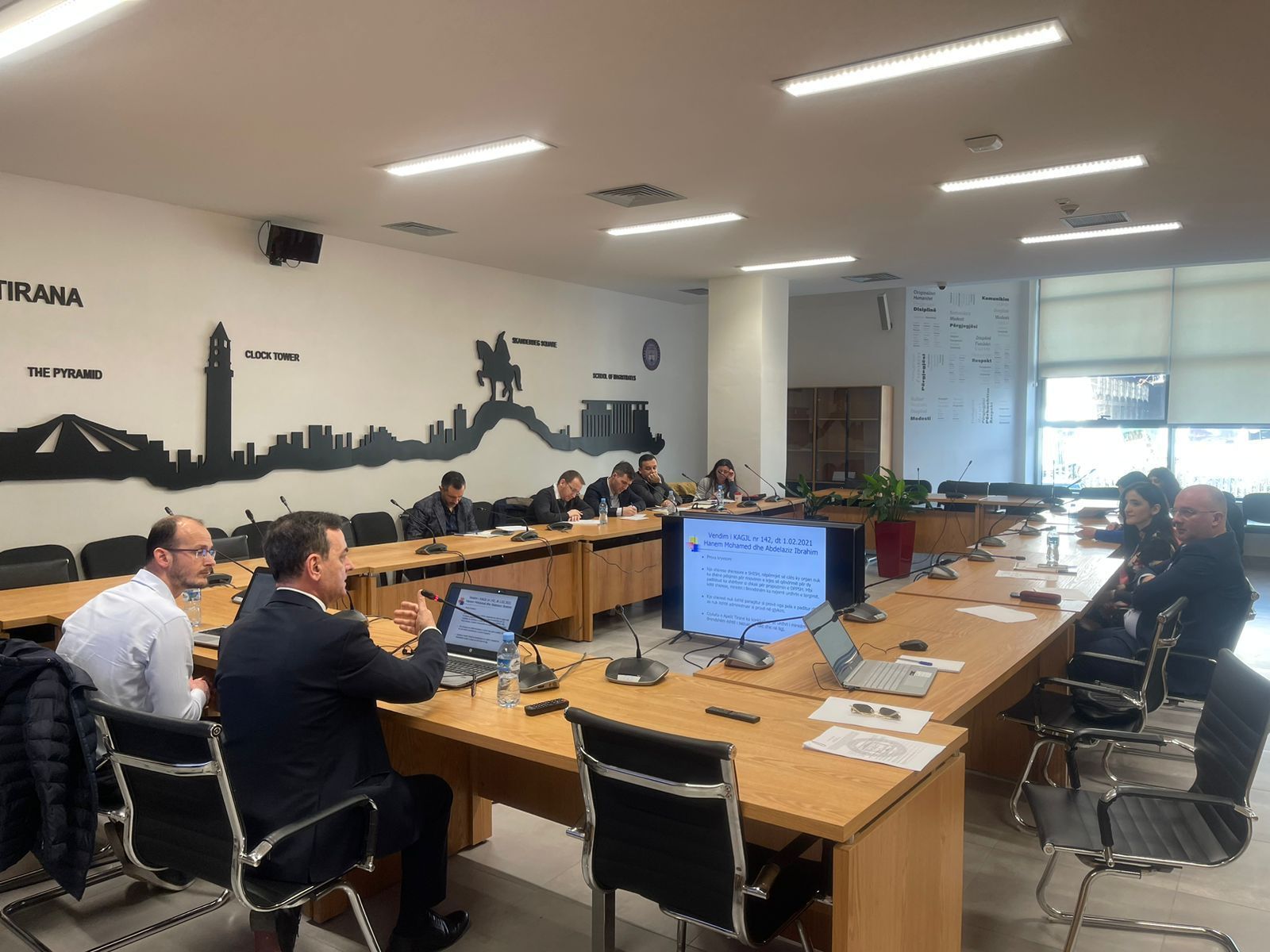
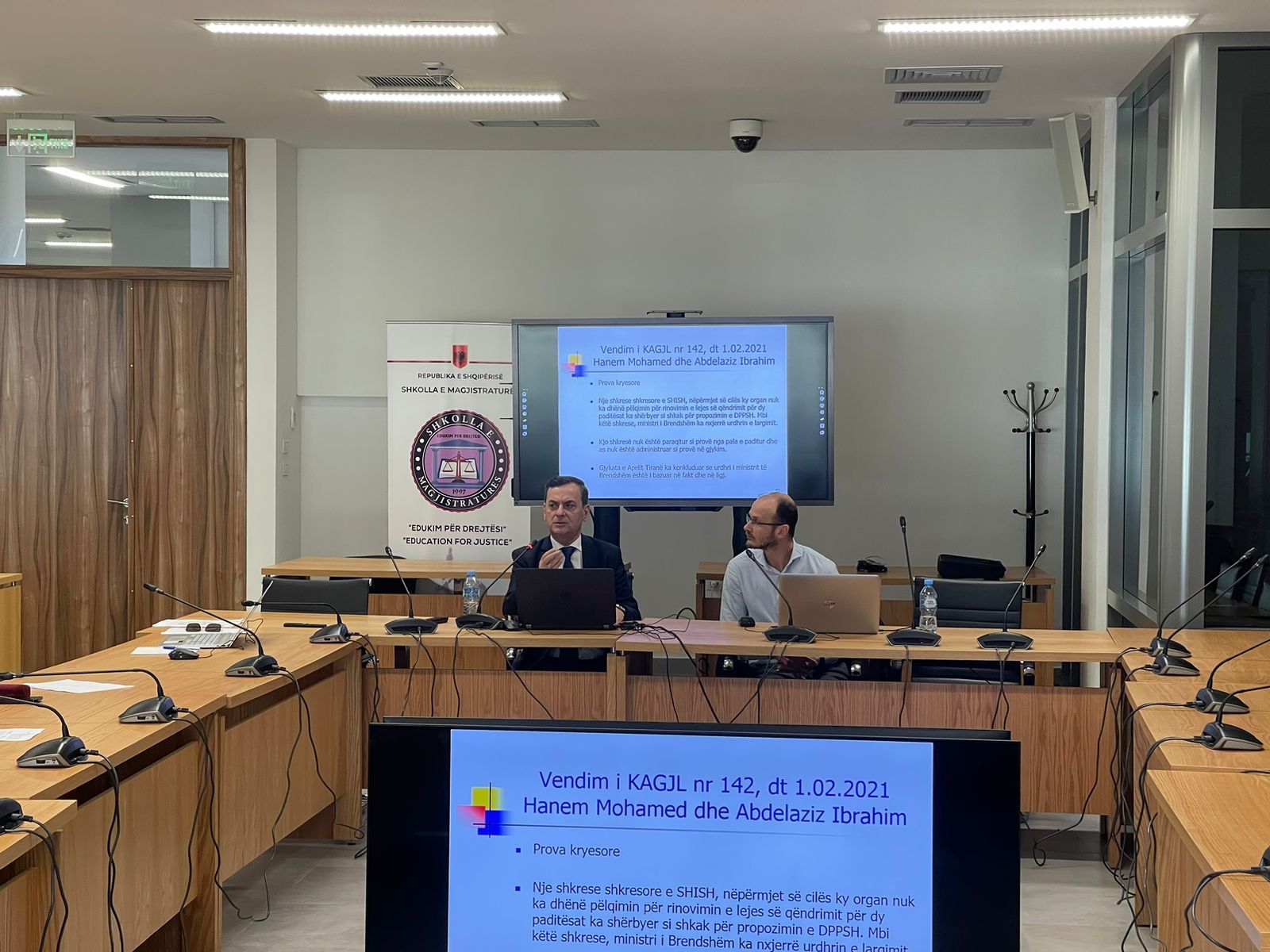
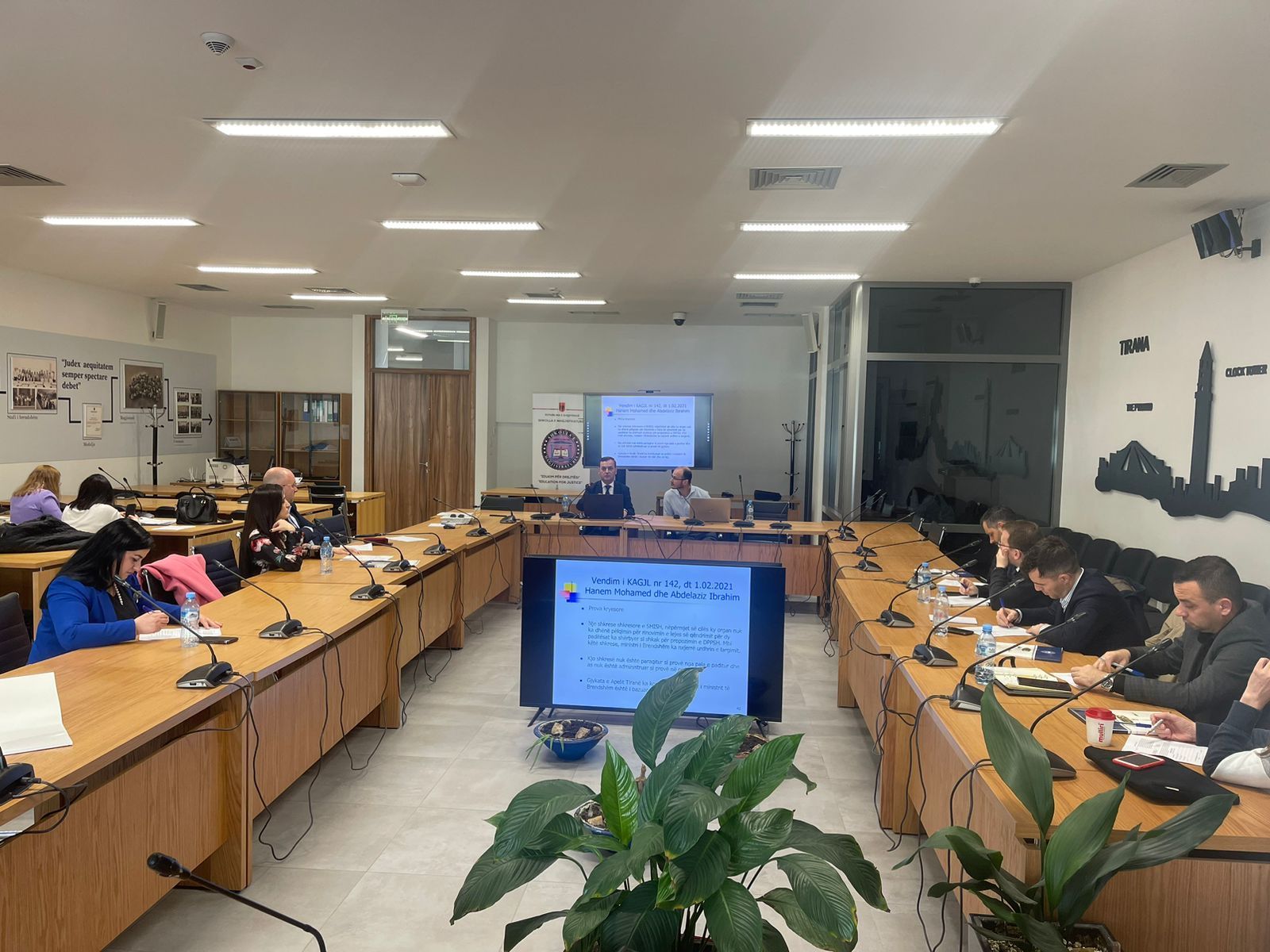
In the context of the Program of Continuous Formation, the School of Magistrates, organized on 27 February, 2024 the training activity on topic:
“Conventional and constitutional control by the judge of common jurisdiction: The role of the common judge for the direct application of conventional and constitutional standards, of the jurisprudence of the ECtHR and of the CC; binding and convincing authority in the jurisprudence of the ECtHR and the ECJ; the reasoning in judicial sentences and conciliatory interpretation; elements and balanced reasoning; The control through the putting into motion of the constitutional judgment; conditions, criteria and its effects into the guaranteeing of the rule of law.”
The panel in this training activity is composed of:
Mr. Sokol Sadushi, expert;
Mr. Adrian Shega, facilitator.
The main purpose of this training activity is as follows:
- To analyze the conventional and constitutional control by the judge of common jurisdiction: The role of the common judge for the direct application of conventional and constitutional standards, of the jurisprudence of the ECtHR and of the CC; binding and convincing authority in the jurisprudence of the ECtHR and the ECJ; the reasoning in judicial sentences and conciliatory interpretation; elements and balanced reasoning; The control through the putting into motion of the constitutional judgment; conditions, criteria and its effects into the guaranteeing of the rule of law.”
In this activity were elaborated various topics such as:
- The direct application of the constitution;
- Illegitimacy as unconstitutionality;
- The role of the judge of common jurisdiction;
- The control of the conventionality of laws;
- The control of sub-legal normative act;
- The normative act between two jurisdictions;
- Normative act through the jurisdiction of the Administrative Court of Appeal and of the Constitutional Court;
- The concept of the constitutional control by the courts;
- Conditions to initiate the control;
- Case laws.